Solutions for long-term pollutant-free food and beverage systems
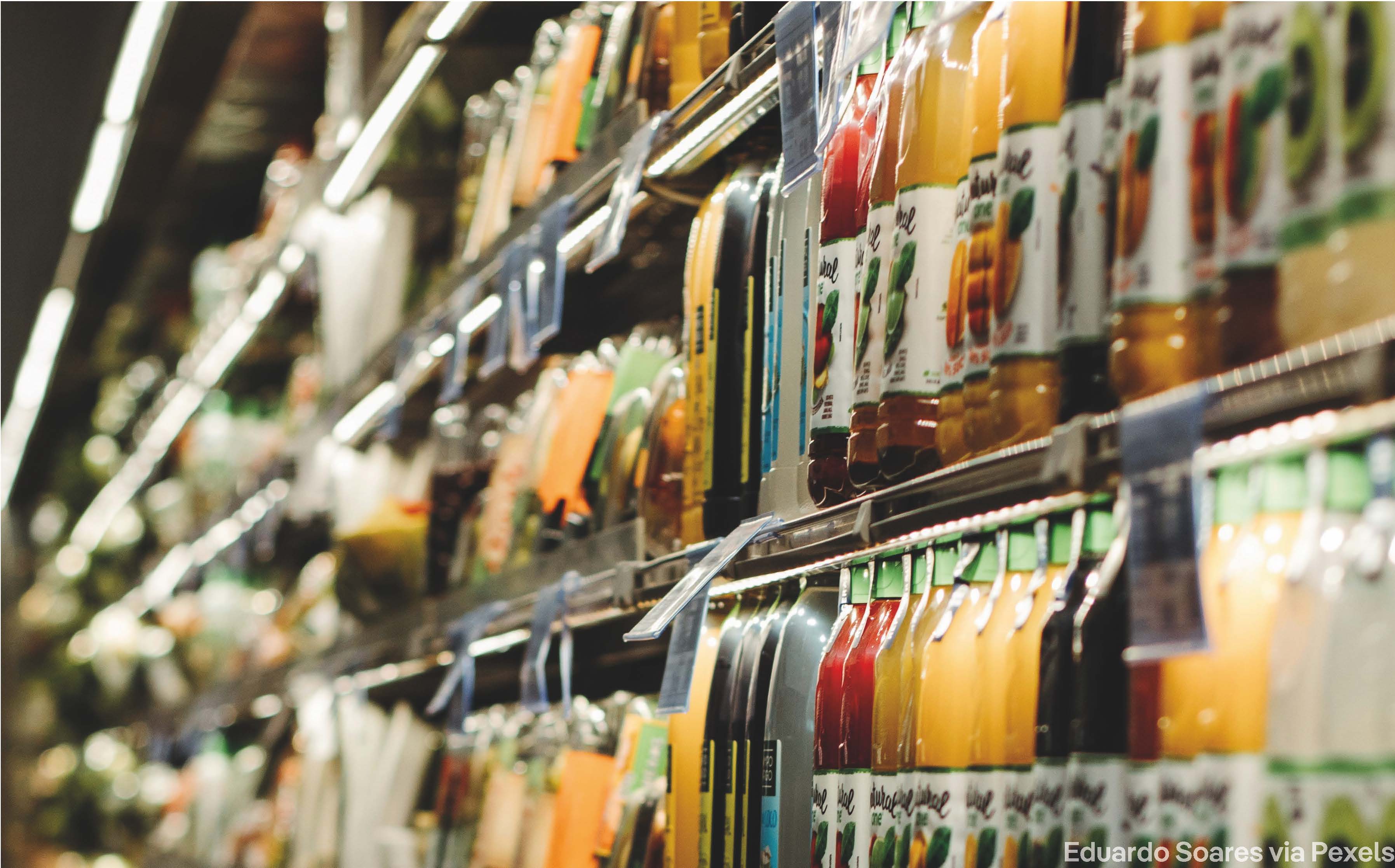
In the European food and beverage industry, cleaning processes account for up to 70% of total water consumption. During these processes, persistent pollutants, such as PFAS, microplastics, or antibiotic residues, may be released into the water system. These substances are nearly impossible to be removed in conventional wastewater treatment plants. In addition, wastewater from the food and beverage industry may contain emerging pollutants that have not yet been detected there and have not yet been characterized. Complex mixtures of contaminants and the formation of degradation and transformation products make it difficult to monitor and treat them.
The EU project EmerGO is developing new technologies and digital tools to detect such pollutants early on, reduce them strategically, and use water resources more efficiently.
Research and knowledge transfer for consumers and the environment
A key part of this vision is consumer empowerment. The project aims to build trust and generate market demand for products free of harmful substances with the aid of transparency tools.
This aim is based on four strategic pillars:
identifying emission hotspots in the meat, juice, and confectionery sectors
developing cost-effective real-time sensors and AI-supported analytics for detecting complex mixtures of contaminants in wastewater
validating innovative technologies such as advanced oxidation/reduction processes (AO/RPs) and hybrid membranes under real-world industrial conditions
translating the results into new guidelines for the removal of pollutants from wastewater and developing eco-labels and educational games for consumers.
Evaluating and optimizing new treatment methods
KWB will lead the work package for the development of the Most Effective Treatment Train (METT) tool.
The tool will be designed to predict the most effective treatment trains for removing or reducing emerging pollutants in wastewater from the food and beverage industry. Non-target analysis can be used to identify these pollutants in wastewater. Instead of conducting extensive experimental series to determine which methods are best for removing these substances, their molecular properties and behavior are estimated using QSPR and QSAR models, and these findings—among other factors—are used to determine the most effective wastewater treatment method.
The tool is being developed in collaboration with QSAR-Lab (Poland), EURECAT (Spain), and the Umweltforschungszentrum Leipzig (Germany).
Further work by KWB aims to contribute to choosing the most suitable treatment train by
evaluating the environmental impacts of process chains using life cycle assessments (LCA) and analyzing operating costs,
conducting experimental studies of adsorption processes using activated carbon and determining which type of activated carbon is best suited for which substance, and
validating the tool’s predictive models.
Recovery instead of pollution
EmerGO is intended to contribute to achieving the European “Zero Pollution 2050” vision and to support the EU’s water resilience strategy.
The project aims to facilitate the transition from linear models to a circular bioeconomy, in which water is reused and salts or reagents are recovered.
EmerGO combines real-time monitoring, AI-powered analytics, and innovative treatment technologies on a single platform for the first time. This not only allows for better detection of pollutants but also enables their targeted and resource-efficient removal.
Project lead: Anne Kleyböcker
Team members: Pia Schumann, Celina Krüger, Michael Stapf, Ulf Miehe, Christian Remy